
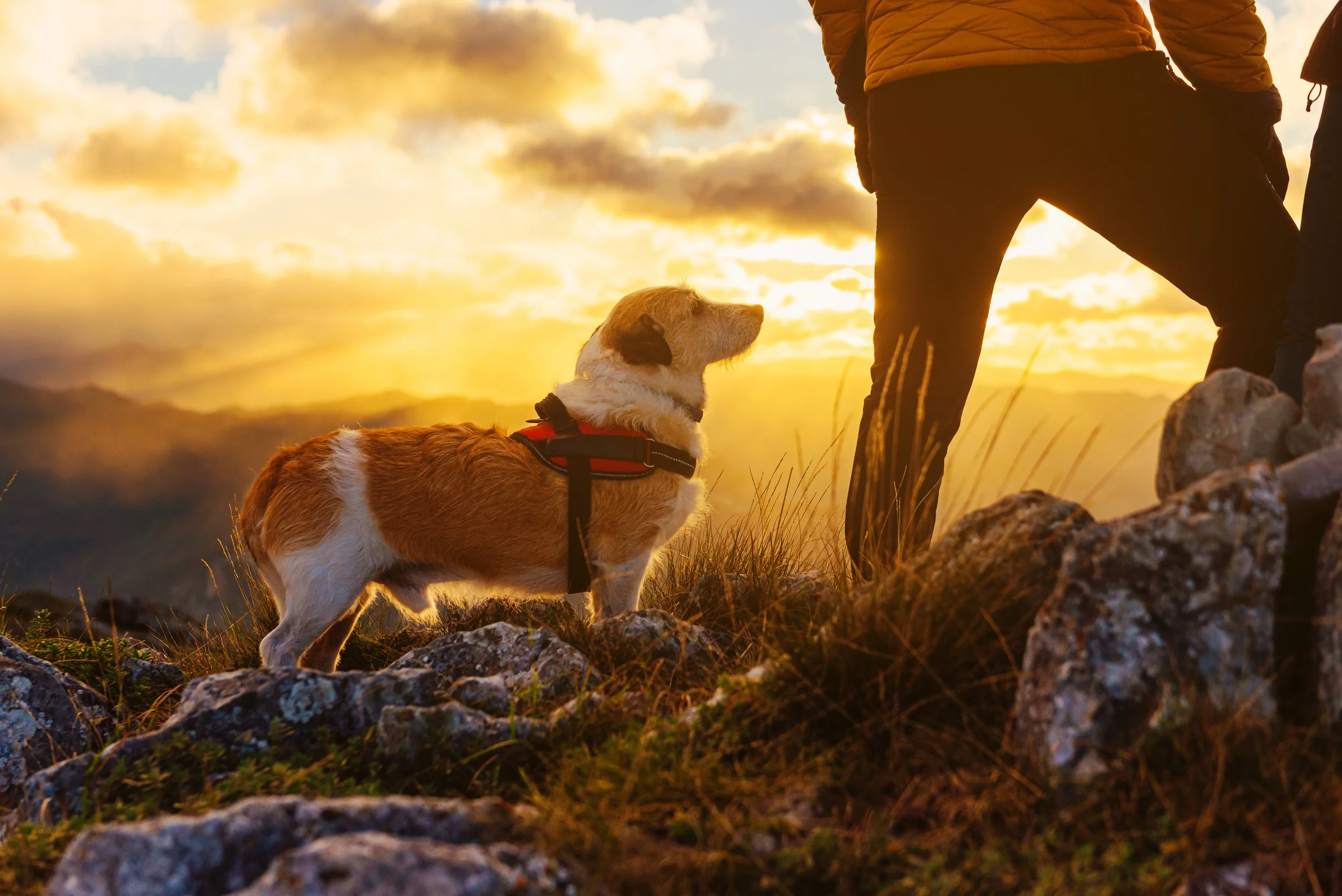
Almost every dog owner will tell you that exploring the great outdoors with their furry companion is one of the greatest joys of life. And it can literally be anything, starting from hiking along woodland trails, to going to a local park.
Basically, any type of outdoor activity is nothing but a pure satisfaction for both dog and their parent. This is a perfect opportunity for dogs to exercise, explore, and simply get familiar with a brand-new surroundings.
However, regardless of how thrilling this can be, it can put a toll on dog’s body, as well, especially its joints. Long walks, jumping, and many other activities can cause a physical strain.
Consequently, as a caring and responsible owner, you have to do whatever is in your power to support your puppy’s mobility, and, simultaneously, enable them to have fun while being outside.
The Importance Of Joint Health
A dog’s joints are designed to connect bones and, concurrently, allow the body to move seamlessly. Cartilage, tendons, ligaments, muscles, and other supporting structures join forces to provide stability and flexibility.
If you want your fur buddy to enjoy their outdoor activities, then they need to have healthy joints. When a dog is active, they go through a number of different physical demands. Bear in mind that walking on soft grass is radically different from dealing with rocky trails, climbing steep paths, and such.
Activities that encompass sudden changes in direction can add additional stress on a dog’s musculoskeletal system. After all, not every breed was born for demanding physical activities, and whether it’s going to be able to handle it depends on the body size, age, genetics, and whether a dog has sustained any injuries in the past.
Generally speaking, larger breeds are more susceptible to particular orthopaedic problems, but that doesn’t mean that smaller breeds are spared from them.
Ways To Support Mobility
It’s safe to say that nutrition plays an integral role when it comes to the well-being of your pup. This means that you should do your best to provide them with a balanced diet because that’s something that’s going to positively influence its joints.
It’s of huge importance for your dog to be at a normal weight because if it’s overweight, then it’s going to further increase the load on the joints. In some situations, dog joint supplements may be an excellent idea, as part of a broader mobility-support plan. These products are jam-packed with super-useful ingredients, such as glucosamine, chondroitin, omega-3 fatty acids, and other compounds.
However, since not every supplement is equally effective, it would be advisable to pick a product that’s going to cater to your fur baby’s every need. Speaking of this, keep in mind that supplements aren’t supposed to replace veterinary care or a healthy diet. They should complement them.
Of course, before you purchase anything, first be sure to consult your vet first because they are going to help you figure out if a specific product is suitable for your dog and, at the same time, see potential interactions with the medications you are already giving to it.
Furthermore, you should remember that nothing can ever be as essential as healthy body weight, the right amount of physical activity, and other beneficial things.
Find A Good Balance Between Exercise And Recovery
Active dogs need the opportunity to move, but rest is also an essential component of maintaining physical wellbeing. If you're constantly pushing a dog through long or strenuous activities without allowing them adequate recovery, then you're going to increase the risk of strain and will, in fact, make any existing problems worse.
Owners need to be on the lookout for how their dog is behaving after an adventure. A dog that's just worn out and is otherwise moving normally is probably just going to need a bit of time to rest.
If, however, there's persistent stiffness, limping, or the dog just won't move the following day, then that's something that needs to be looked at. Exercise regimes should also take the individual capabilities of the dog into account.
Some dogs will be perfectly happy with a long hike; others will be much more comfortable with a number of shorter walks during the day. Swimming can be a lower-impact activity for some dogs, though you have to bear in mind water safety, the dog's ability to swim, and any vet restrictions.
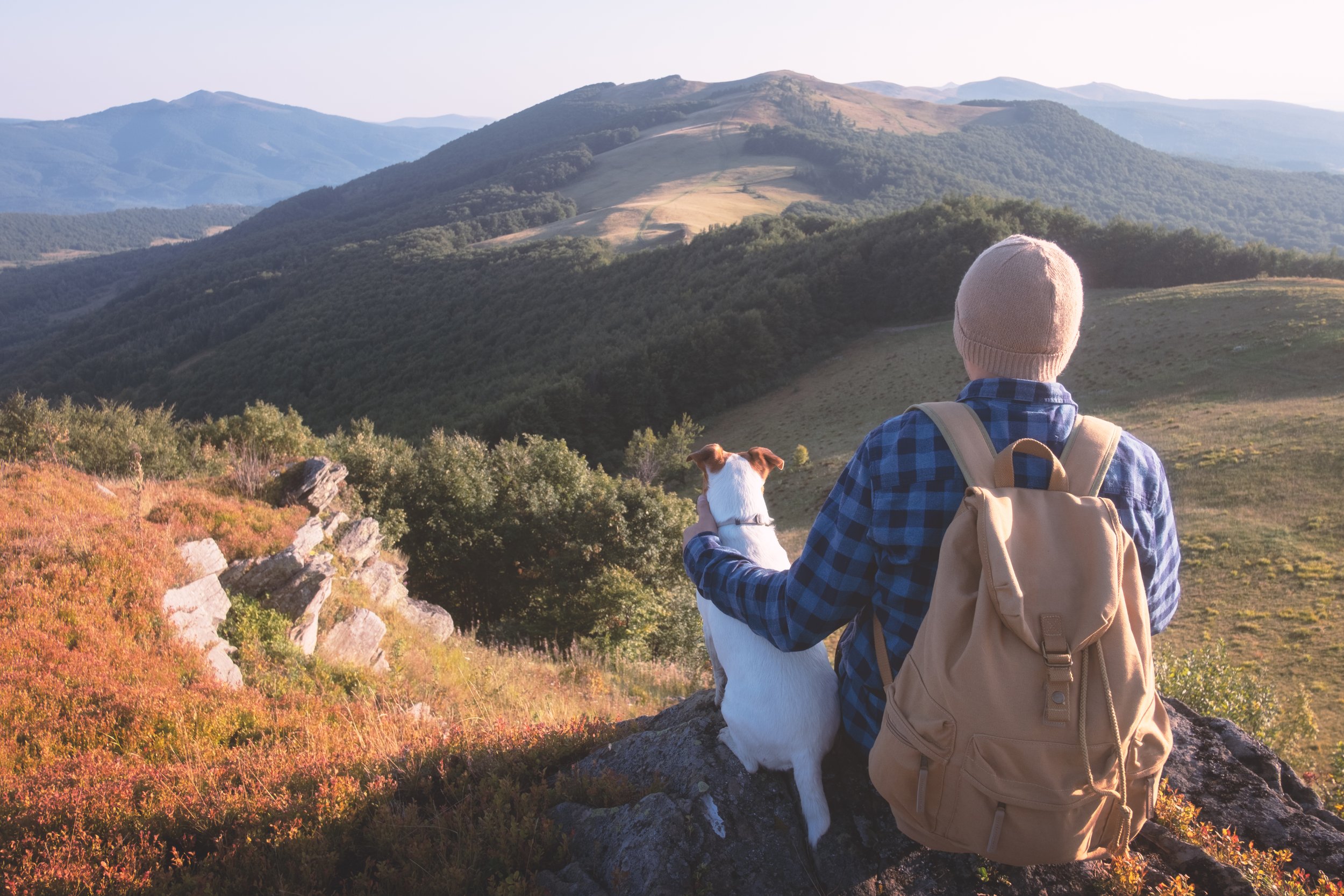
There’s no doubt that outdoor activities are perfect for your dog’s general well-being, plus they further strengthen the bond the two of you have; however, if you want to ensure your doggo thoroughly enjoys them, then you should consider implementing all these suggestions.